Pantay na mga pump ng tornilyo ng pader
Cat:Solong mga bomba ng tornilyo
Ang mga bomba ng tornilyo na nilagyan ng pantay na stator ng kapal ng pader, ang parehong uri ng mga pagtutukoy ng bomba ng bomba, at ang presyon a...
Tingnan ang mga detalye
A well selected single screw pump delivers steady, low pulsation flow, strong self priming lift, and the ability to move thick or particle laden media without breaking down the product being transported. This is the direct answer for buyers comparing pump types for food processing, wastewater treatment, chemical dosing, or sludge handling: the single screw pump design is built around a helical rotor turning inside an elastomeric stator, and that geometry is what gives it smooth, near constant discharge even at low speed. The sections below explain how the pump works, where it performs best, how it compares with other common pump categories, and what to consider for spare parts and long term operation.
Single screw pumps, also referred to in the industry as progressive cavity pumps, are positive displacement pumps that use a helical rotor rotating inside a matching double helix stator. As the rotor turns, sealed cavities form and move progressively from suction to discharge, which is why the flow rate stays close to proportional with rotational speed. This mechanism is the reason a Screw Pumps manufacturer can offer a single product family that serves food processing lines, chemical transfer systems, and municipal sludge stations with only minor changes to materials and geometry.
In practical terms, a properly specified single screw pump can achieve a self priming suction lift of up to 8.5 meters of water column, and it can handle media with solid content around 40 percent by volume, rising higher when the solids are fine or powdered. These figures come from manufacturer engineering data for single screw pump product lines and are typical of the category rather than a guaranteed outcome for every installation, since actual performance depends on viscosity, particle size, and system design.
The core of a Single Screw Pumps assembly is the rotor and stator pair. The rotor is a single helix machined from stainless steel or another corrosion resistant alloy, and the stator is a double internal helix molded from an elastomer, most commonly nitrile rubber, EPDM, or fluoroelastomer depending on the fluid being handled. When the rotor rotates inside the stator, a series of sealed cavities is created and these cavities travel axially from the suction side to the discharge side without collapsing or merging, which is what produces the pulsation free flow that distinguishes this pump family from centrifugal and reciprocating designs.
Below is a simplified isometric reference diagram showing the main functional components of a single screw pump. It is a schematic illustration intended to explain the working principle rather than a photograph of a specific unit.
Because the sealing line between rotor and stator runs continuously along the length of the pump, the medium is moved gently rather than being sheared or agitated, which is important when the fluid contains fragile solids such as vegetable pieces in food processing or biological flocs in Sludge screw pump applications. This same sealing action is also what gives the pump its self priming characteristic, since the sealed cavities can evacuate air from the suction line before liquid arrives.
One of the most frequently referenced advantages of a single screw pump is self priming suction lift, since many transfer applications require the pump to draw fluid from a tank or sump located below the pump centerline. The chart below shows typical self priming lift figures by general pump category, expressed in meters of water column, based on common manufacturer engineering references for each pump type.
These values illustrate why single screw pumps are frequently selected for installations where the source tank sits at a lower level than the pump, such as sump drainage, tank truck unloading, or drawing from a below grade collection pit. A higher self priming lift reduces the need for flooded suction piping and gives more flexibility in equipment layout. It is worth noting that actual lift achieved on site will vary with pipe diameter, fluid viscosity, and pump wear, so these figures should be treated as general engineering guidance rather than a fixed guarantee for every installation.
Beyond suction lift, single screw pumps are also recognized for handling solids laden fluids. Typical solid content tolerance for a single screw pump is around 40 percent by volume, with higher tolerance when the solids are fine or powdered, which supports use in mining slurry transfer, coal water mixture handling, and general industrial sludge movement. The uniform cavity based displacement also means pump output pressure pulsation stays low, which reduces stress on downstream piping, valves, and instrumentation compared with pumps that rely on reciprocating pistons or diaphragms.
Choosing between pump types is easier when performance is compared across several dimensions at once rather than looking at a single specification in isolation. The radar chart below scores four general pump categories on a simple one to five scale across solids handling, viscosity handling, flow smoothness, self priming ability, and maintenance simplicity. The scoring is indicative and intended for general comparison rather than a substitute for a detailed process engineering review.
The comparison highlights that a single screw pump tends to score well on solids handling, viscosity handling, and flow smoothness, which is consistent with its positive displacement, cavity based design. Centrifugal pumps generally perform well on maintenance simplicity and are efficient for low viscosity, clear fluids at high flow rates, but they lose efficiency quickly as viscosity or solid content increases. This is why many process engineers select single screw pumps specifically for thick, abrasive, or fibrous media, while reserving centrifugal pumps for clean, thin liquids moved at high volume.
| Requirement | Single Screw Pump | Centrifugal Pump | Gear Pump |
|---|---|---|---|
| High viscosity media | Suitable | Not suitable | Limited |
| Solids or fiber content | Suitable | Limited | Not suitable |
| Self priming requirement | Suitable | Not suitable | Suitable |
| Low pulsation dosing | Suitable | Limited | Suitable |
Flow pulsation is an important consideration for chemical dosing, metering, and food filling applications, since large swings in flow can affect product consistency or dosing accuracy. Because the single screw pump moves fluid through a series of continuously sealed cavities rather than through discrete piston strokes, the discharge flow stays close to a flat line rather than a repeating spike and drop pattern. The area chart below is a simplified conceptual comparison of relative discharge flow over one shaft rotation for a single screw pump and a single acting piston pump, illustrating the difference in flow character rather than measured data from a specific test.
In the diagram, the flat green line represents the near constant discharge of a single screw pump, while the orange curve represents the repeating rise and fall pattern typical of a single acting piston pump. This near constant flow reduces water hammer risk in piping systems, lowers vibration at connected instrumentation, and supports more even product distribution when the pump is used for spraying mortar or gypsum paste in construction applications, or for filling and metering tasks in pharmaceutical and food production. Lower pulsation also generally reduces mechanical stress on check valves and flow meters located downstream of the pump, which can support longer service intervals for those components.
Single screw pumps are used across a wide range of industries because the same working principle applies equally well to clean liquids, viscous pastes, and solids laden slurries. In the food sector, applications include transferring milk, syrup, jam, starch paste, brewing liquids, and processed meat or fish products. In chemical processing, the pump moves suspensions, latex, and various acid, alkali, and salt solutions. In papermaking, pulp, kaolin, and black liquor are common transfer media, while in petroleum operations the pump is used for crude oil gathering and tertiary oil recovery. Environmental and municipal applications rely on the pump for wastewater, activated sludge, and concentrated floating scum transfer, which is why a Sewage screw pump or Sludge screw pump configuration is common in treatment plant equipment lists.
The distribution above is illustrative and based on commonly reported end use categories for single screw pumps across industrial and municipal markets, and actual distribution will vary by region and by manufacturer product range. What the chart does help demonstrate is that environmental and water treatment work, including sewage and sludge transfer, represents one of the largest use categories for this pump type, followed closely by chemical processing and food or pharmaceutical production. This spread across sectors is a direct result of the pump handling a wide viscosity and solids range without needing a fundamentally different mechanical design, which also supports parts commonality across a Screw Pumps manufacturer product line.
Orientation and wetted material selection are two of the most important configuration decisions for a single screw pump project. A Vertical screw pump is often selected when floor space is limited or when the pump needs to be mounted directly over a sump, pit, or tank, since the vertical arrangement allows gravity assisted feeding and a smaller equipment footprint. Horizontal configurations remain common for standard transfer duties where the pump sits inline with existing piping.
A Food screw pump configuration generally uses food grade stainless steel wetted parts and an elastomer stator compound that is approved for contact with edible products, along with sanitary connections that support cleaning procedures used in food and beverage plants. Selecting the correct stator elastomer is important because different products, such as high fat dairy content or acidic fruit purees, interact differently with elastomer compounds over time, and the wrong material choice can shorten stator service life regardless of how well the rest of the pump is built.
For chemical and process duty outside food production, wetted material selection instead focuses on corrosion resistance and compatibility with the specific acid, alkali, or solvent being handled, which is why many single screw pump platforms offer a range of stator elastomers and rotor coatings rather than a single fixed material specification.
Because the rotor and stator are in continuous sliding contact, they are the primary wear items in a single screw pump and the main focus of routine maintenance planning. Sourcing reliable Spare Parts For Progressive Cavity Pumps, including a correctly dimensioned Stator for progressive cavity pumps and a properly coated Single Screw Rotor, is one of the most effective ways to keep a pump running at its rated performance over time. Worn rotor and stator sets are also one of the most common causes of gradually declining flow output, so tracking discharge pressure and flow trends over time can help identify when replacement parts are needed before a full stoppage occurs.
The trend line above illustrates a common pattern where discharge pressure gradually declines as rotor and stator wear increases, which is a normal part of the wear cycle rather than a sign of sudden failure. Scheduling inspection at the point where the decline trend becomes noticeable, rather than waiting until output drops sharply, generally allows maintenance teams to replace Screw pump accessories such as seals, bearings, and couplings during a planned stoppage instead of an unplanned one. Keeping a stock of common wear parts on hand is a practical way to reduce downtime for pumps used in continuous duty applications such as sewage lift stations or continuous chemical dosing lines.
| Component | Function | Typical Inspection Focus |
|---|---|---|
| Stator | Forms sealed cavities with rotor | Elastomer wear and swelling |
| Rotor | Drives fluid through cavities | Surface wear and coating condition |
| Mechanical seal or packing | Prevents leakage at shaft | Leakage and heat buildup |
| Coupling rod and joints | Connects drive shaft to rotor | Play and lubrication condition |
Jingjiang Meijia Pump Industry Co., Ltd. is located at No. 36 Xintai Road, Jingjiang Economic and Technological Development Zone, Jiangsu Province. The company is a professional Screw Pumps manufacturer engaged in the production, sales, and after sales service of single screw pumps and high quality single screw pump spare parts.
Meijia Pump Industry has a team of experienced engineers covering the design, manufacturing, inspection, and complete assembly of screw pumps. The company's single screw pump products feature advanced technology, complete structural options, diverse forms, and complete specification ranges, and they are widely used in industries such as environmental water treatment, chemical processing, paper and pulp, food and pharmaceutical production, petrochemical operations, and energy. Meijia Pump Industry also produces universal Screw pump accessories that are compatible with single screw pump equipment used across the global market, supported by production capacity and practical manufacturing experience.
The company's after sales service center maintains a team of experienced engineers to provide ongoing support to customers. Through long term use across different environments and working conditions, Meijia single screw pump products have been operated by users year after year in varied industrial settings. Meijia Pump Industry welcomes visits and technical discussions from partners and industry professionals across all sectors.
A single screw pump is a positive displacement pump that moves fluid through sealed cavities formed between a rotor and stator, giving it strong self priming ability and stable flow at varying viscosity. A centrifugal pump relies on impeller speed to generate flow and generally performs best with thin, clean liquids at high volume.
Yes, single screw pumps are commonly used for media containing solid particles, fibers, or sludge, with typical solid content tolerance around 40 percent by volume depending on particle characteristics. This makes the design well suited to sewage and sludge transfer applications.
A food screw pump configuration typically uses food grade stainless steel wetted components along with an elastomer stator compound suited for contact with edible products, together with sanitary style connections for cleaning.
Inspection intervals depend on operating hours, fluid abrasiveness, and duty cycle, but monitoring discharge pressure and flow trends over time is a practical way to identify when a stator for progressive cavity pumps or a single screw rotor is approaching the end of its service life.
Yes, a vertical screw pump arrangement is often chosen when floor space is limited or when gravity fed suction from a sump or tank simplifies the overall system layout compared with a horizontal configuration.
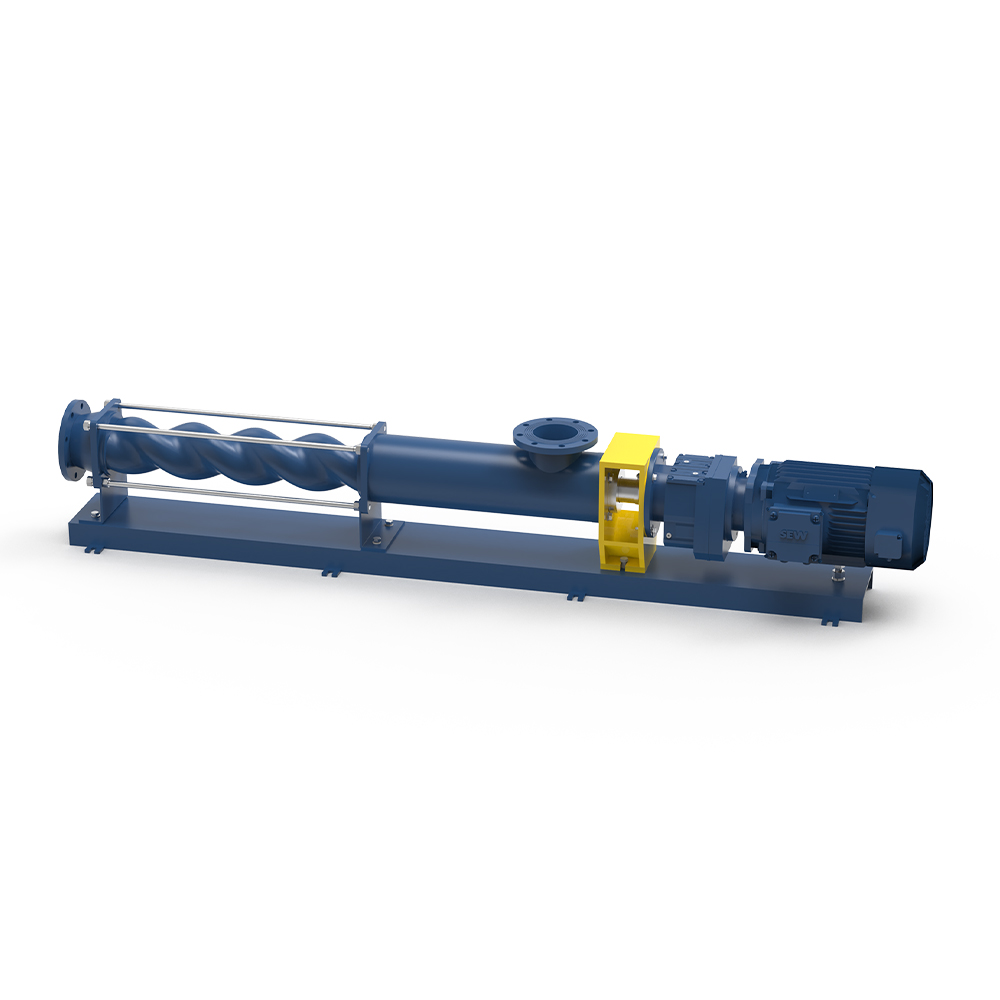
Ang mga bomba ng tornilyo na nilagyan ng pantay na stator ng kapal ng pader, ang parehong uri ng mga pagtutukoy ng bomba ng bomba, at ang presyon a...
Tingnan ang mga detalye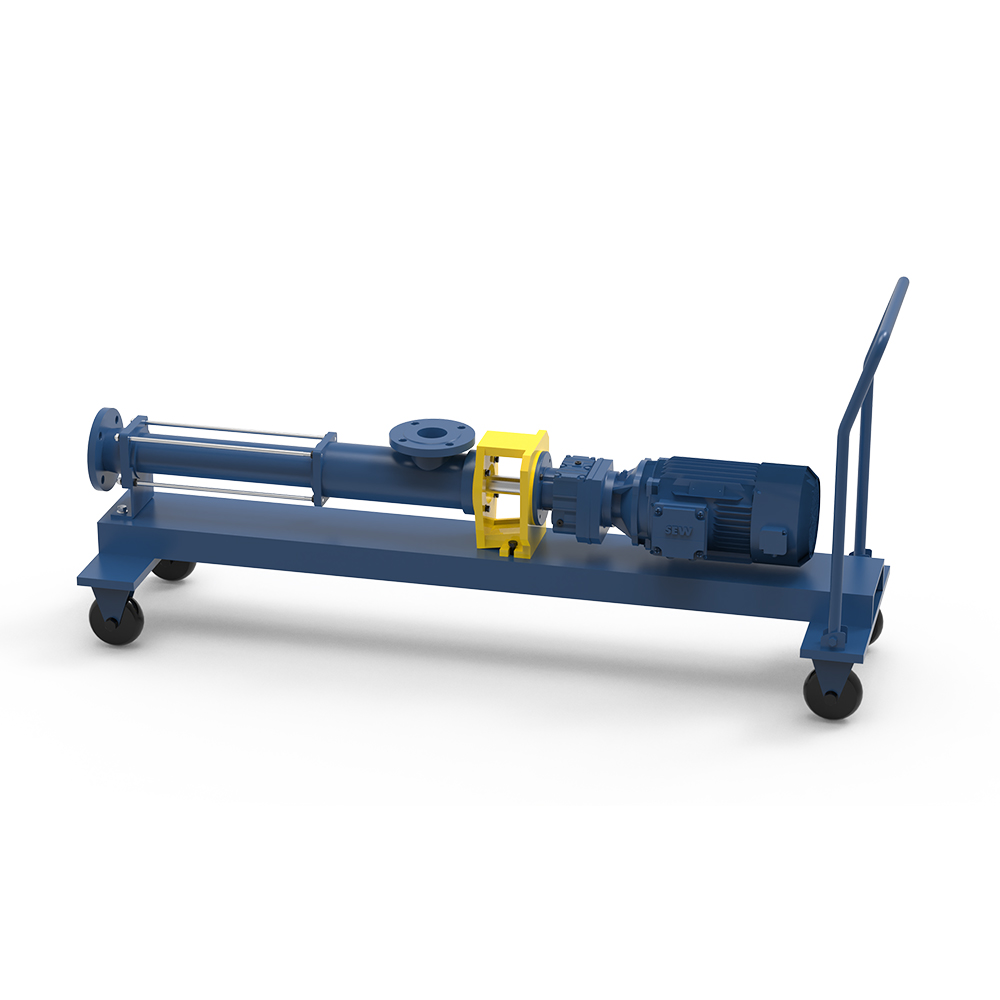
Ang bomba na naka-mount na sasakyan, ang base ng bomba ay hindi lamang matatag at maaasahan, ngunit din ng cleverly na nilagyan ng mga unibersal na...
Tingnan ang mga detalye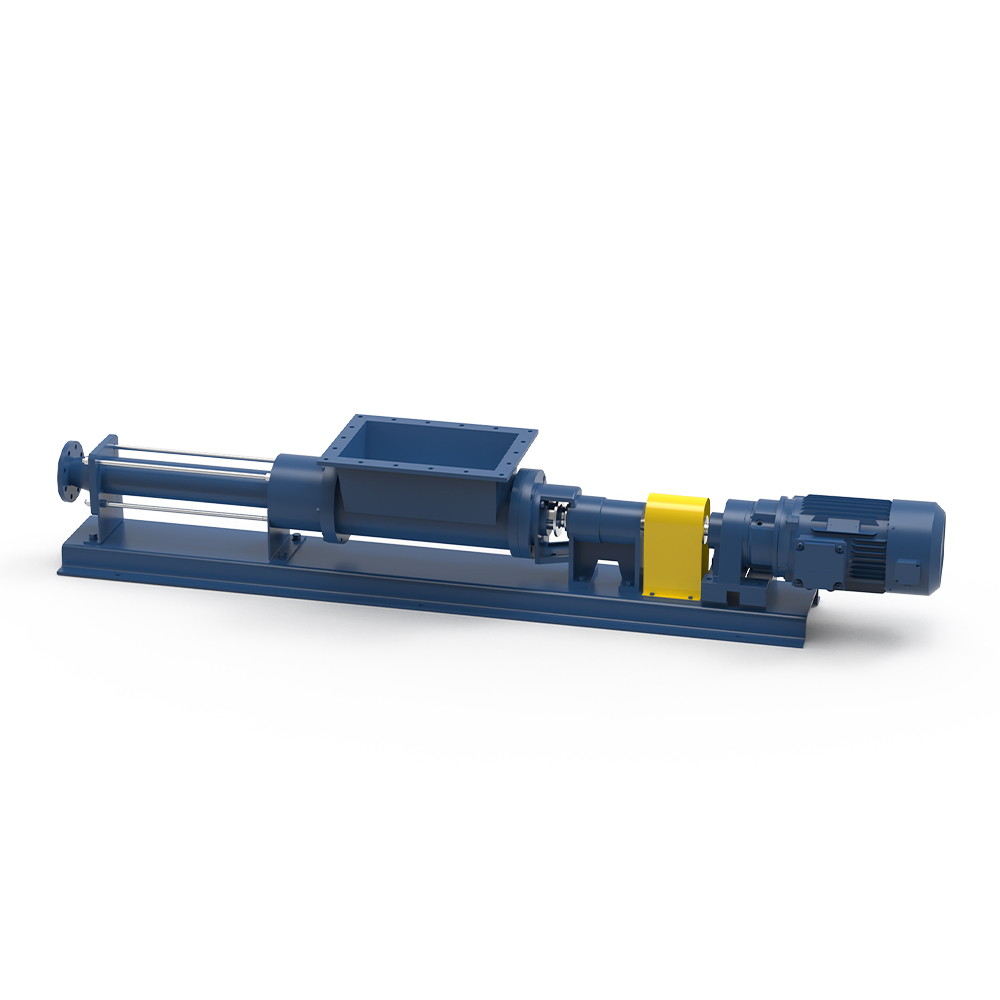
Ang inlet ay isang malaking disenyo ng Hopper W-type na may isang pagkonekta shaft na may maraming mga spiral van (na maaaring epektibong maiwasan ...
Tingnan ang mga detalye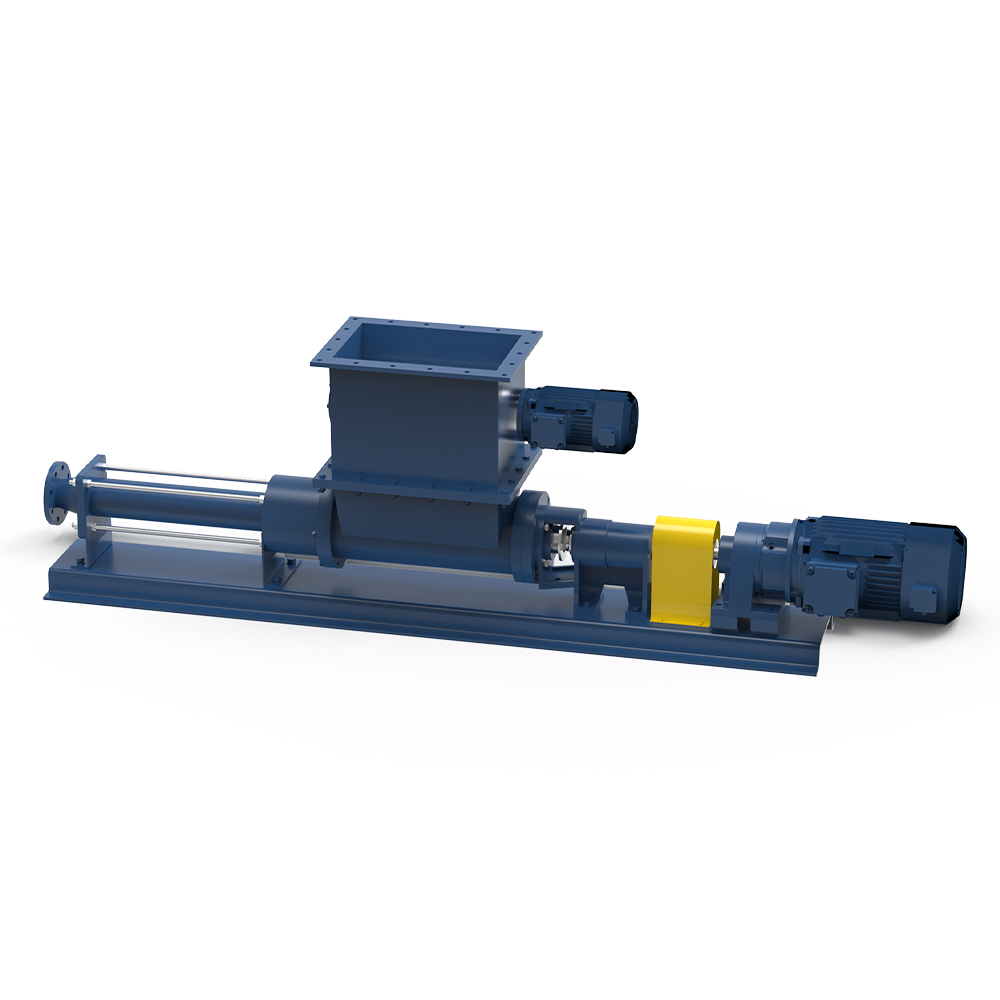
Ang inlet ay idinisenyo para sa isang malaking hopper na may isang aparato na naglalabag sa tulay na P-P-Pumps ay angkop para sa paghahatid ng mga ...
Tingnan ang mga detalye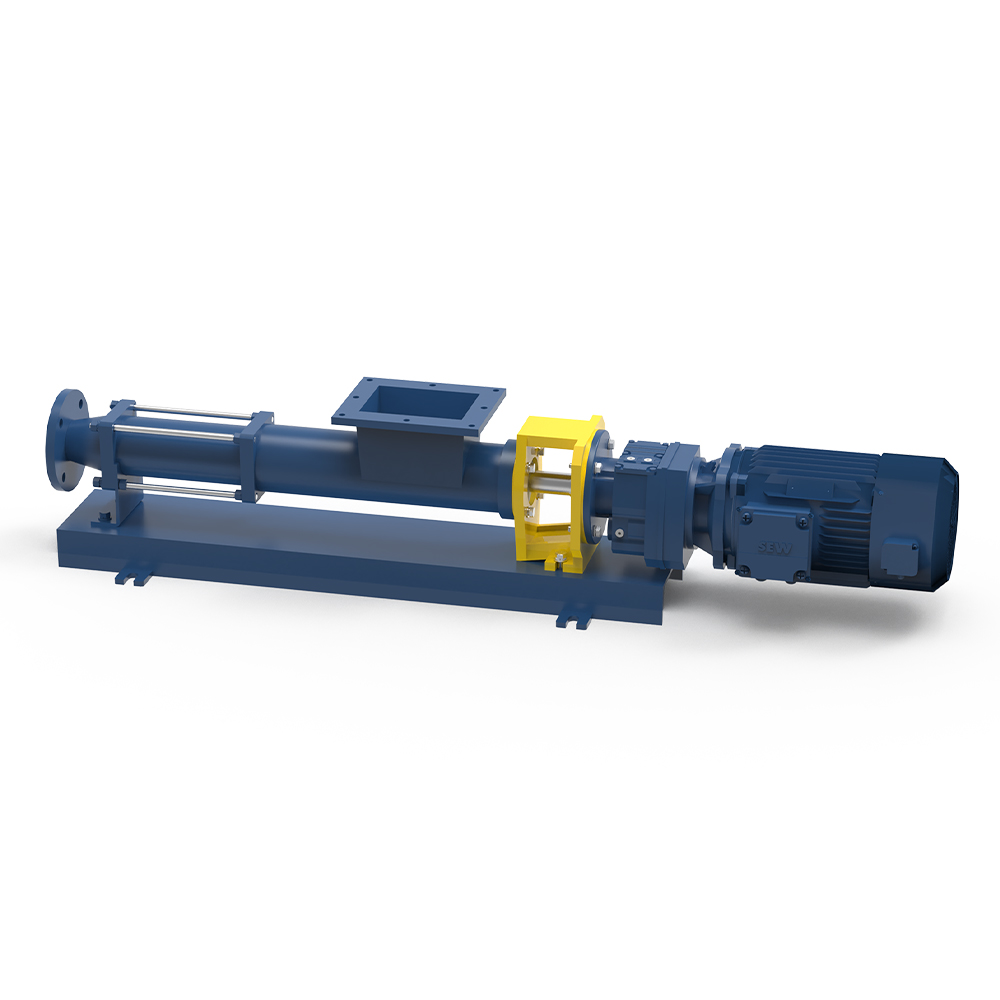
Ang inlet ay isang maliit na hugis -parihaba na disenyo ng hopper h pump, na angkop para sa paghahatid ng mataas na lagkit ng solidong nilalaman na...
Tingnan ang mga detalye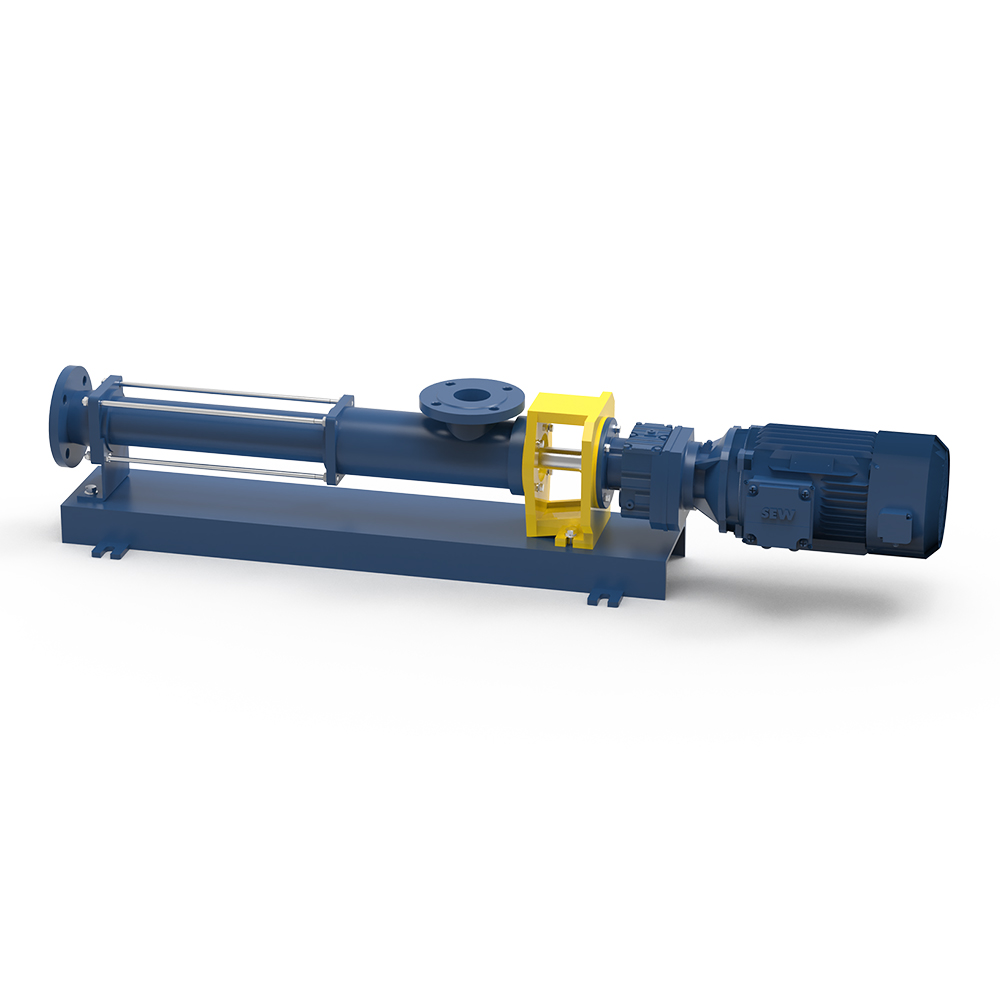
Ang Mika Classic B na direktang nakakonekta na mga bomba ay compact, madaling mapanatili, na may mababang gastos sa pamumuhunan, at angkop para sa ...
Tingnan ang mga detalye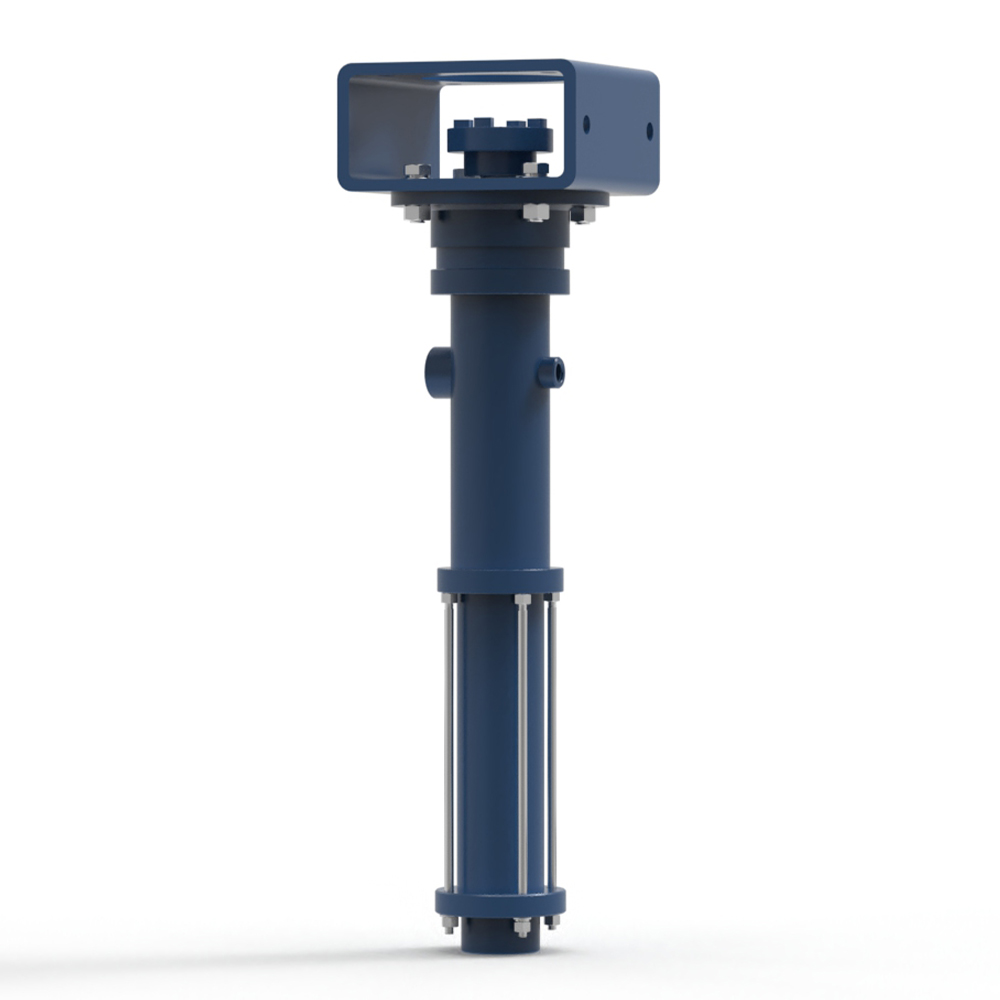
Tumpak na mga rate ng daloy at isang malawak na hanay ng mga materyales para sa pagsukat at paghahatid ng lahat ng mga uri ng mga sealant. ...
Tingnan ang mga detalye
Ang iba't ibang mga materyales ay magagamit para sa iba't ibang mga kondisyon sa pagtatrabaho, tulad ng NBR, HNBR, EPDM, at FKM.
Tingnan ang mga detalye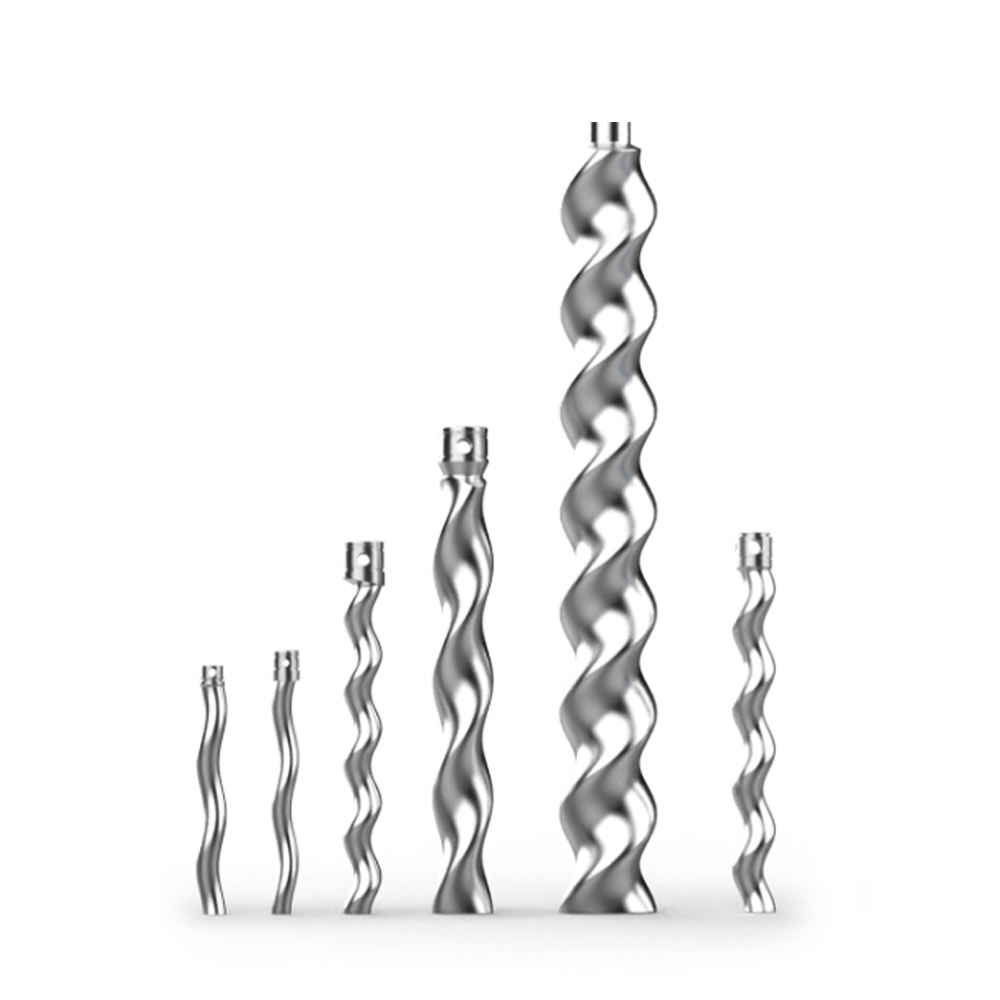
Maramihang mga materyales na magagamit, 304, 316L, 2205, rotor ibabaw coating ay maaaring maging chrome plated o tungsten carbide sprayed.
Tingnan ang mga detalye
Maramihang mga materyales na magagamit: Q235,304,316L, 2205,2507, atbp
Tingnan ang mga detalyeMakipag -ugnay sa amin
Add: 36 Xintai Road, Economic Development Zone, Jingjiang City, Jiangsu Province, China
Tel: +86-13515167342
Fax: +86-523-84261117
E-mail:
Gusto namin
Pakinggan mula sa iyo!
